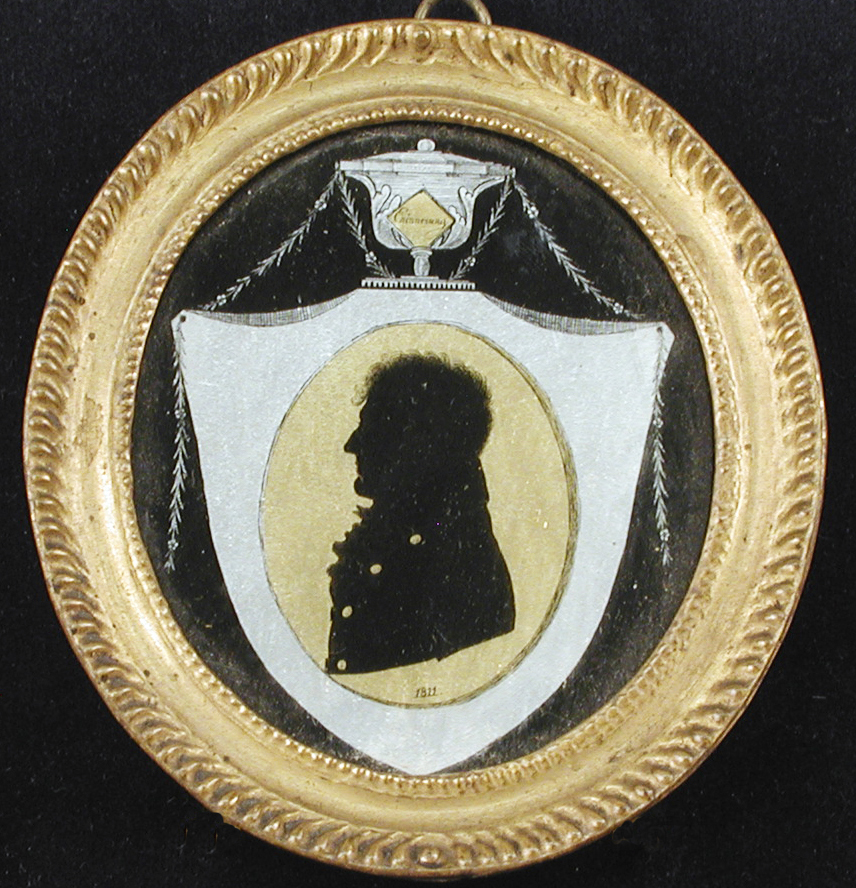
The Role of Women in 18th Century French Salons

The study of 'The Role of Women in 18th Century French Salons' offers a profound window into the historical and cultural forces that shaped its creation. This article synthesizes decades of archival research and recent material analysis to present a comprehensive overview. As we delve into the specifics, it becomes evident that this topic is not merely an isolated phenomenon, but a crucial nexus of artistic innovation and societal transformation.
The discovery of a hidden preparatory sketch beneath the surface layer reveals the artist's working process. Pentimenti—changes of mind—show that the composition was significantly altered mid-execution. A central figure was entirely repositioned, suggesting a sudden shift in the narrative focus or a late intervention by the patron.
The depiction of everyday life, or genre painting, emerged as a distinct category during this era. Elevating the mundane to the level of high art, painters captured the subtle dramas of domestic interiors and bustling marketplaces. These works offer invaluable insights into the social dynamics, fashion, and material culture of the period.
Conservation efforts on this piece have uncovered multiple layers of overpainting, indicating that the object was continuously used and modified over centuries. The removal of a 19th-century varnish revealed vibrant, original pigments—including lapis lazuli and vermilion—that fundamentally change our interpretation of the work's original aesthetic impact.
The intricate detailing found in the artifact reveals a sophisticated understanding of metallurgy. Scholars have long debated whether these techniques were indigenous or imported through burgeoning trade routes. Recent metallurgical analyses suggest a localized development, deeply intertwined with the region's spiritual practices and social hierarchy.
The landscape tradition in this culture was never simply about recording topography. Instead, the natural world was imbued with moral and philosophical significance. A gnarled pine tree represented resilience, while a tranquil river symbolized the inexorable passage of time. To read these paintings is to engage with a profound philosophical discourse.
The influx of foreign luxury goods fundamentally altered local aesthetic sensibilities. Imported porcelain, silks, and spices introduced new motifs and color palettes. Local artisans quickly adapted these exotic elements, creating hybrid styles that appealed to an increasingly cosmopolitan clientele hungry for novelty and prestige.
Related Imagery