
The Patronage of the Medici Family
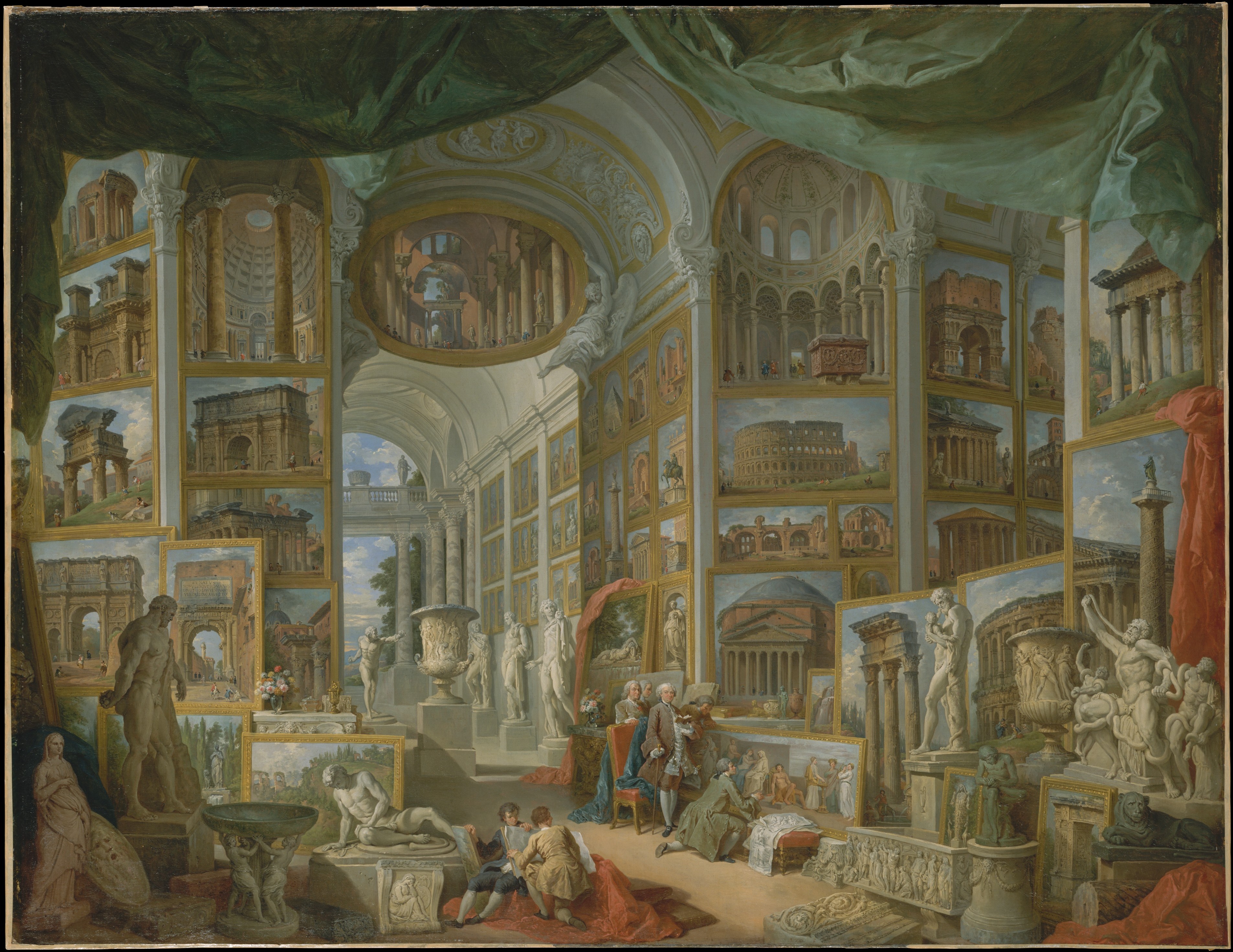
The study of 'The Patronage of the Medici Family' offers a profound window into the historical and cultural forces that shaped its creation. This article synthesizes decades of archival research and recent material analysis to present a comprehensive overview. As we delve into the specifics, it becomes evident that this topic is not merely an isolated phenomenon, but a crucial nexus of artistic innovation and societal transformation.
The architectural context of these works cannot be overstated. Originally intended to be viewed from below, in the dim, flickering light of oil lamps, the sculptures possess elongated proportions that appear distorted at eye level but perfect when seen from the intended vantage point. This demonstrates the artist's masterful grasp of optics.
The discovery of a hidden preparatory sketch beneath the surface layer reveals the artist's working process. Pentimenti—changes of mind—show that the composition was significantly altered mid-execution. A central figure was entirely repositioned, suggesting a sudden shift in the narrative focus or a late intervention by the patron.
The influence of classical antiquity is unmistakable here. The artist clearly studied Roman sarcophagi, appropriating specific poses and drapery motifs. However, these classical elements were repurposed to serve a new Christian narrative, resulting in a fascinating synthesis of pagan form and religious content.
The role of the workshop in producing these pieces complicates the modern notion of individual genius. Master artists directed large teams of specialized artisans, from pigment grinders to drapery painters. Thus, the final work is a collaborative triumph, reflecting the standardized quality and recognizable 'brand' of the workshop.
The material itself carries symbolic weight. Jade, prized for its hardness and translucency, was associated with moral purity and immortality. The arduous process of carving it—requiring abrasive sand and immense patience—was seen as a physical manifestation of character cultivation. The finished object was thus both a luxury good and a spiritual totem.
Conservation efforts on this piece have uncovered multiple layers of overpainting, indicating that the object was continuously used and modified over centuries. The removal of a 19th-century varnish revealed vibrant, original pigments—including lapis lazuli and vermilion—that fundamentally change our interpretation of the work's original aesthetic impact.
The significance of the frame is often overlooked, yet it is integral to the work's meaning. In this case, the elaborately carved and gilded frame acts as a physical and conceptual boundary, separating the sacred space of the image from the profane space of the viewer, while also signaling the immense wealth of the patron.
One of the most striking features of this period is the deliberate shift away from naturalism. Artists began to favor stylized, symbolic representations that conveyed theological truths rather than earthly realities. This abstraction served a dual purpose: it elevated the subject matter to a divine plane and established a visual language accessible only to the initiated.
Related Imagery

