
The Influence of Oceanic Art on Modernism
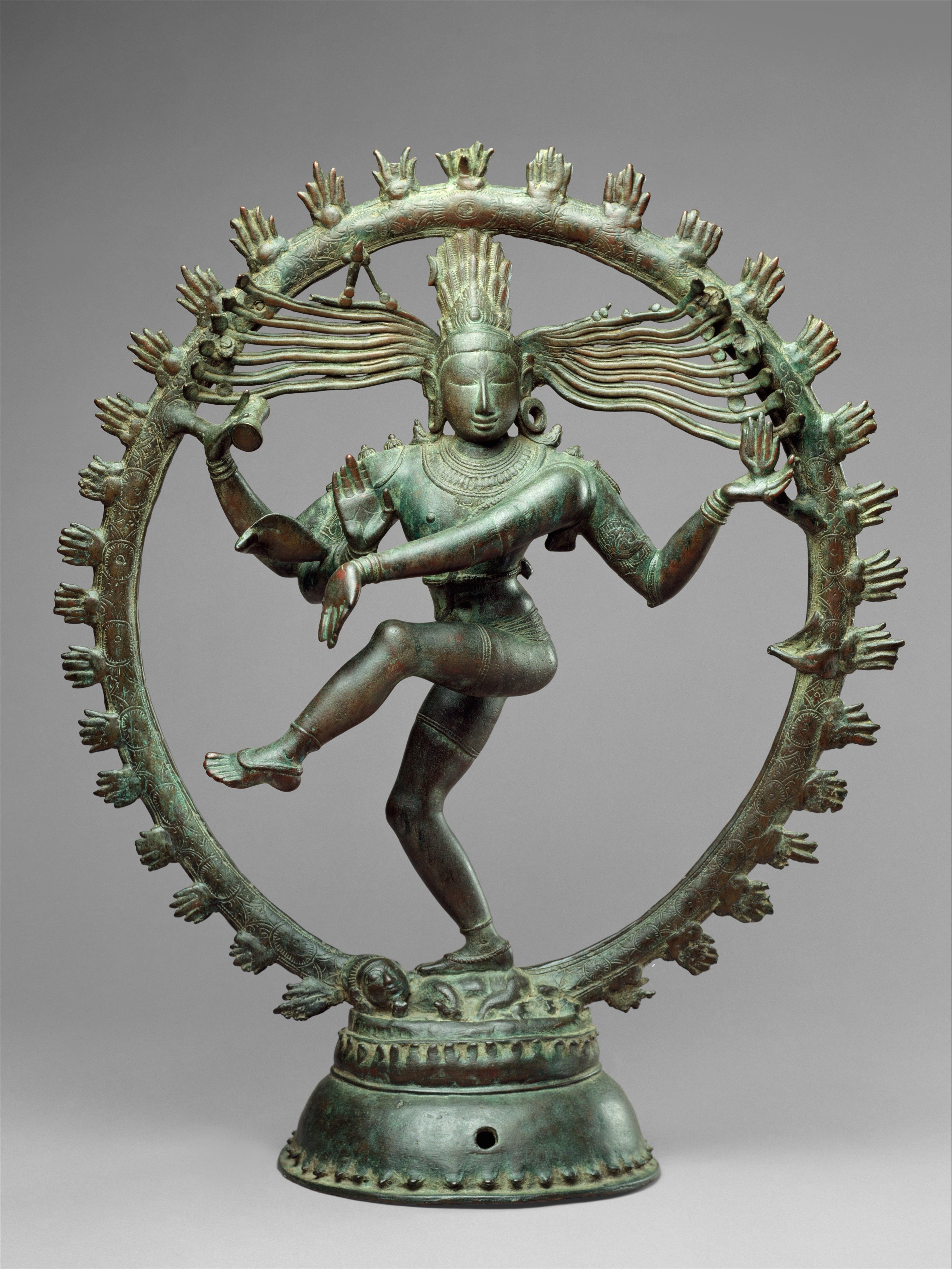
The study of 'The Influence of Oceanic Art on Modernism' offers a profound window into the historical and cultural forces that shaped its creation. This article synthesizes decades of archival research and recent material analysis to present a comprehensive overview. As we delve into the specifics, it becomes evident that this topic is not merely an isolated phenomenon, but a crucial nexus of artistic innovation and societal transformation.
The intricate detailing found in the artifact reveals a sophisticated understanding of metallurgy. Scholars have long debated whether these techniques were indigenous or imported through burgeoning trade routes. Recent metallurgical analyses suggest a localized development, deeply intertwined with the region's spiritual practices and social hierarchy.
Textile fragments from the era are exceptionally rare, making this acquisition particularly significant. The weave structure and dye composition provide critical evidence of cross-cultural exchange. Specifically, the presence of indigo alongside madder suggests trade networks that spanned continents, connecting isolated communities with major economic hubs.
The discovery of a hidden preparatory sketch beneath the surface layer reveals the artist's working process. Pentimenti—changes of mind—show that the composition was significantly altered mid-execution. A central figure was entirely repositioned, suggesting a sudden shift in the narrative focus or a late intervention by the patron.
The integration of text and image here is seamless. The calligraphy does not merely caption the painting; it is an aesthetic element in its own right, its rhythmic strokes echoing the forms of the depicted figures. This synthesis reflects a cultural ideal where the 'Three Perfections'—poetry, calligraphy, and painting—were considered inseparable.
The performative aspect of this mask was central to its function. Static display in a museum case strips it of its intended vitality. When worn by a dancer, accompanied by music, and illuminated by firelight, the mask transformed the wearer into a spiritual entity, bridging the gap between the human and the divine.
The significance of the frame is often overlooked, yet it is integral to the work's meaning. In this case, the elaborately carved and gilded frame acts as a physical and conceptual boundary, separating the sacred space of the image from the profane space of the viewer, while also signaling the immense wealth of the patron.
Related Imagery

