The Discovery of the Tomb of Perneb
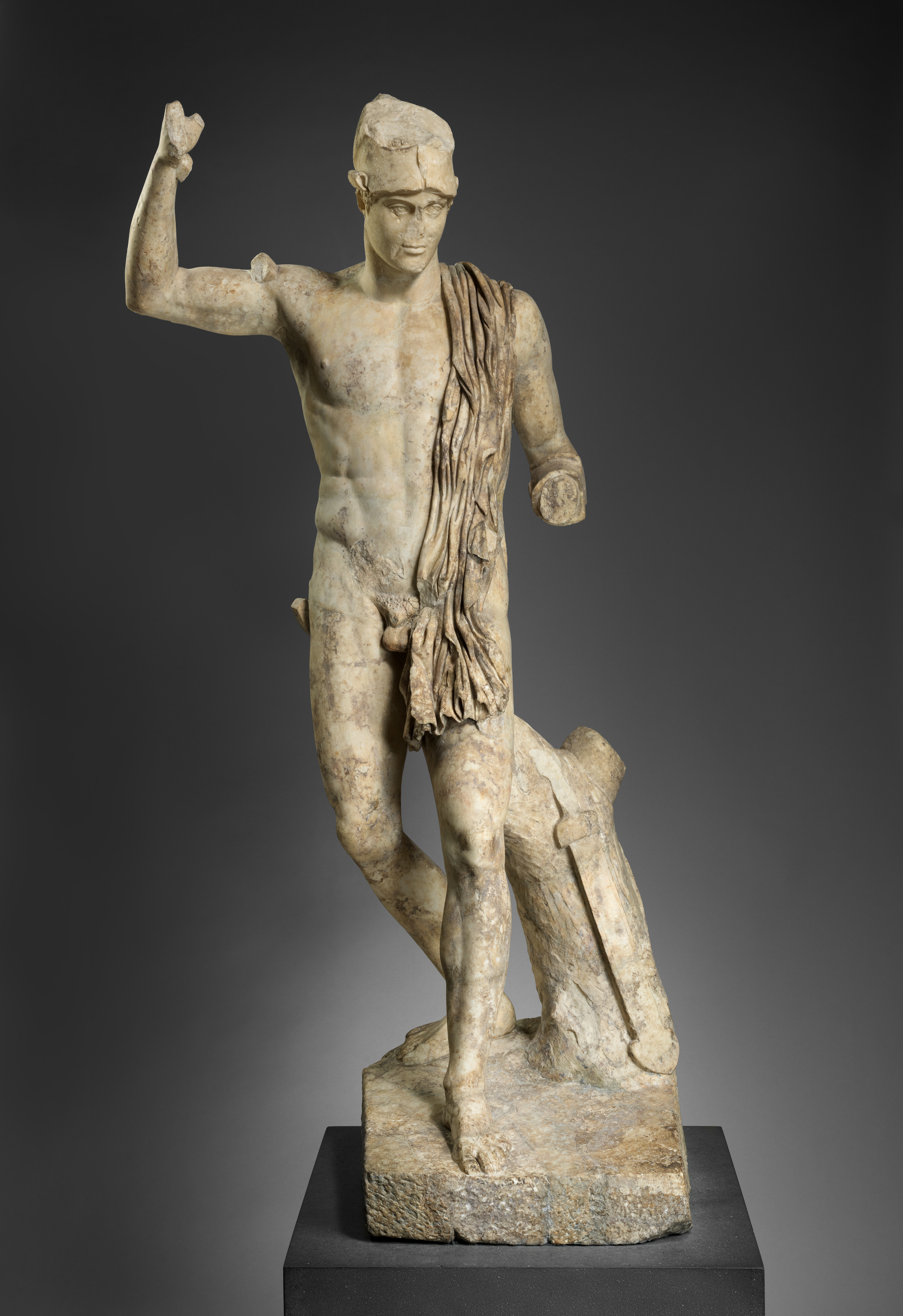
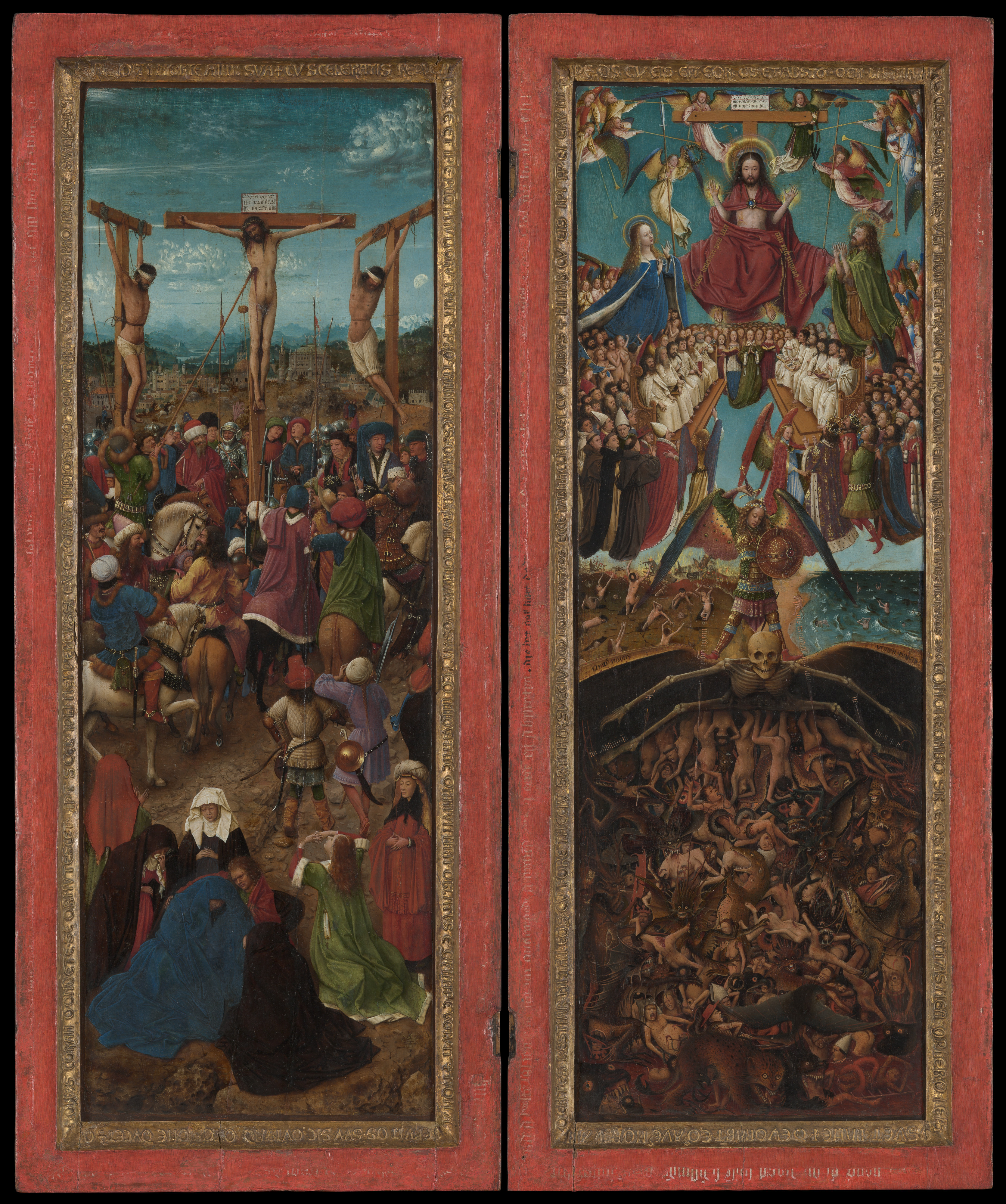
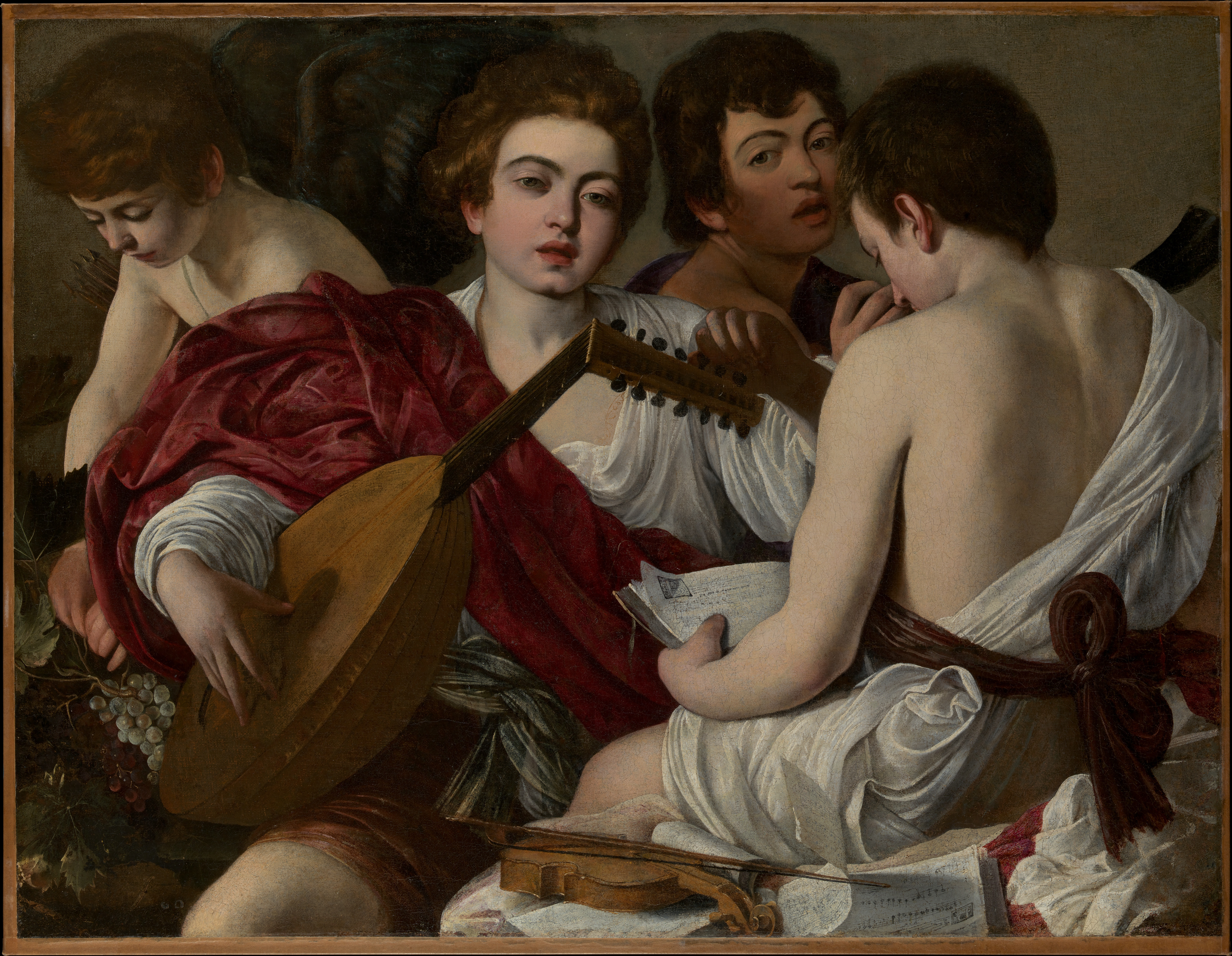
The study of 'The Discovery of the Tomb of Perneb' offers a profound window into the historical and cultural forces that shaped its creation. This article synthesizes decades of archival research and recent material analysis to present a comprehensive overview. As we delve into the specifics, it becomes evident that this topic is not merely an isolated phenomenon, but a crucial nexus of artistic innovation and societal transformation.
The integration of text and image here is seamless. The calligraphy does not merely caption the painting; it is an aesthetic element in its own right, its rhythmic strokes echoing the forms of the depicted figures. This synthesis reflects a cultural ideal where the 'Three Perfections'—poetry, calligraphy, and painting—were considered inseparable.
Conservation efforts on this piece have uncovered multiple layers of overpainting, indicating that the object was continuously used and modified over centuries. The removal of a 19th-century varnish revealed vibrant, original pigments—including lapis lazuli and vermilion—that fundamentally change our interpretation of the work's original aesthetic impact.
The architectural context of these works cannot be overstated. Originally intended to be viewed from below, in the dim, flickering light of oil lamps, the sculptures possess elongated proportions that appear distorted at eye level but perfect when seen from the intended vantage point. This demonstrates the artist's masterful grasp of optics.
The use of perspective in this fresco is revolutionary for its time. By employing a single vanishing point, the artist created an illusion of three-dimensional space on a two-dimensional surface. This mathematical approach to composition not only ordered the visual field but also positioned the viewer at the center of the rational universe.
Recent excavations have challenged the established chronology of the site. Stratigraphic evidence now points to an occupation layer predating previously accepted dates by at least three centuries. Consequently, the stylistic evolution of the artifacts found within these lower strata forces a radical reassessment of the region's cultural development.
The performative aspect of this mask was central to its function. Static display in a museum case strips it of its intended vitality. When worn by a dancer, accompanied by music, and illuminated by firelight, the mask transformed the wearer into a spiritual entity, bridging the gap between the human and the divine.
The discovery of a hidden preparatory sketch beneath the surface layer reveals the artist's working process. Pentimenti—changes of mind—show that the composition was significantly altered mid-execution. A central figure was entirely repositioned, suggesting a sudden shift in the narrative focus or a late intervention by the patron.
The role of the workshop in producing these pieces complicates the modern notion of individual genius. Master artists directed large teams of specialized artisans, from pigment grinders to drapery painters. Thus, the final work is a collaborative triumph, reflecting the standardized quality and recognizable 'brand' of the workshop.
Related Imagery