The Development of Printmaking in Northern Europe
The study of 'The Development of Printmaking in Northern Europe' offers a profound window into the historical and cultural forces that shaped its creation. This article synthesizes decades of archival research and recent material analysis to present a comprehensive overview. As we delve into the specifics, it becomes evident that this topic is not merely an isolated phenomenon, but a crucial nexus of artistic innovation and societal transformation.
Recent excavations have challenged the established chronology of the site. Stratigraphic evidence now points to an occupation layer predating previously accepted dates by at least three centuries. Consequently, the stylistic evolution of the artifacts found within these lower strata forces a radical reassessment of the region's cultural development.
Textile fragments from the era are exceptionally rare, making this acquisition particularly significant. The weave structure and dye composition provide critical evidence of cross-cultural exchange. Specifically, the presence of indigo alongside madder suggests trade networks that spanned continents, connecting isolated communities with major economic hubs.
The landscape tradition in this culture was never simply about recording topography. Instead, the natural world was imbued with moral and philosophical significance. A gnarled pine tree represented resilience, while a tranquil river symbolized the inexorable passage of time. To read these paintings is to engage with a profound philosophical discourse.
Conservation efforts on this piece have uncovered multiple layers of overpainting, indicating that the object was continuously used and modified over centuries. The removal of a 19th-century varnish revealed vibrant, original pigments—including lapis lazuli and vermilion—that fundamentally change our interpretation of the work's original aesthetic impact.
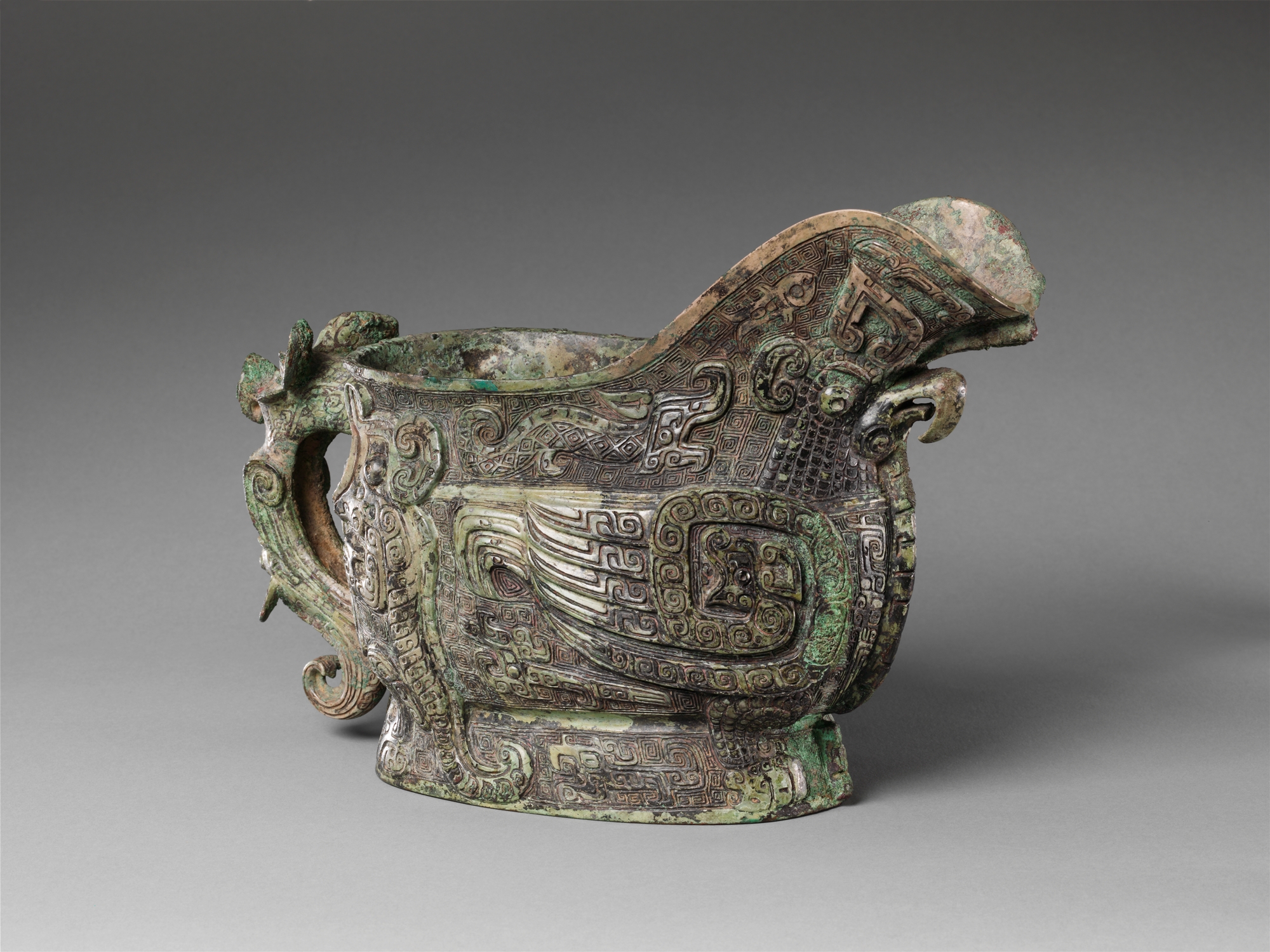
The ceremonial use of this vessel is corroborated by residue analysis, which identified traces of both fermented beverages and specific alkaloid compounds. This suggests that the object was not merely decorative but played a central role in rituals intended to alter consciousness and facilitate communion with the ancestral realm.
The discovery of a hidden preparatory sketch beneath the surface layer reveals the artist's working process. Pentimenti—changes of mind—show that the composition was significantly altered mid-execution. A central figure was entirely repositioned, suggesting a sudden shift in the narrative focus or a late intervention by the patron.
Related Imagery