The Cultural Exchange in Islamic Art
The study of 'The Cultural Exchange in Islamic Art' offers a profound window into the historical and cultural forces that shaped its creation. This article synthesizes decades of archival research and recent material analysis to present a comprehensive overview. As we delve into the specifics, it becomes evident that this topic is not merely an isolated phenomenon, but a crucial nexus of artistic innovation and societal transformation.
The landscape tradition in this culture was never simply about recording topography. Instead, the natural world was imbued with moral and philosophical significance. A gnarled pine tree represented resilience, while a tranquil river symbolized the inexorable passage of time. To read these paintings is to engage with a profound philosophical discourse.
The significance of the frame is often overlooked, yet it is integral to the work's meaning. In this case, the elaborately carved and gilded frame acts as a physical and conceptual boundary, separating the sacred space of the image from the profane space of the viewer, while also signaling the immense wealth of the patron.
The depiction of everyday life, or genre painting, emerged as a distinct category during this era. Elevating the mundane to the level of high art, painters captured the subtle dramas of domestic interiors and bustling marketplaces. These works offer invaluable insights into the social dynamics, fashion, and material culture of the period.
Conservation efforts on this piece have uncovered multiple layers of overpainting, indicating that the object was continuously used and modified over centuries. The removal of a 19th-century varnish revealed vibrant, original pigments—including lapis lazuli and vermilion—that fundamentally change our interpretation of the work's original aesthetic impact.
The performative aspect of this mask was central to its function. Static display in a museum case strips it of its intended vitality. When worn by a dancer, accompanied by music, and illuminated by firelight, the mask transformed the wearer into a spiritual entity, bridging the gap between the human and the divine.
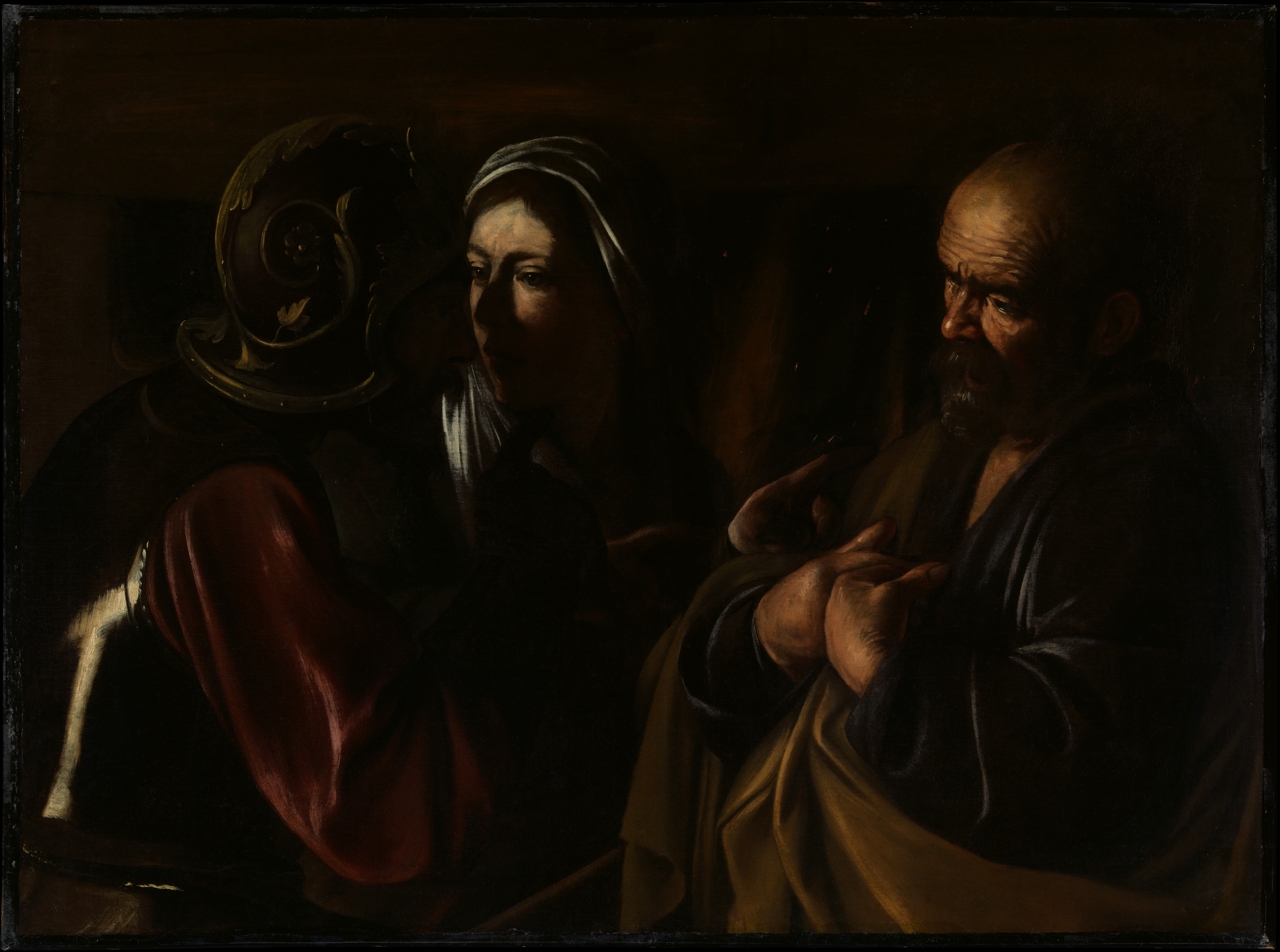
The discovery of a hidden preparatory sketch beneath the surface layer reveals the artist's working process. Pentimenti—changes of mind—show that the composition was significantly altered mid-execution. A central figure was entirely repositioned, suggesting a sudden shift in the narrative focus or a late intervention by the patron.
The role of the workshop in producing these pieces complicates the modern notion of individual genius. Master artists directed large teams of specialized artisans, from pigment grinders to drapery painters. Thus, the final work is a collaborative triumph, reflecting the standardized quality and recognizable 'brand' of the workshop.
Related Imagery