Stained Glass Mastery in the Medieval Period
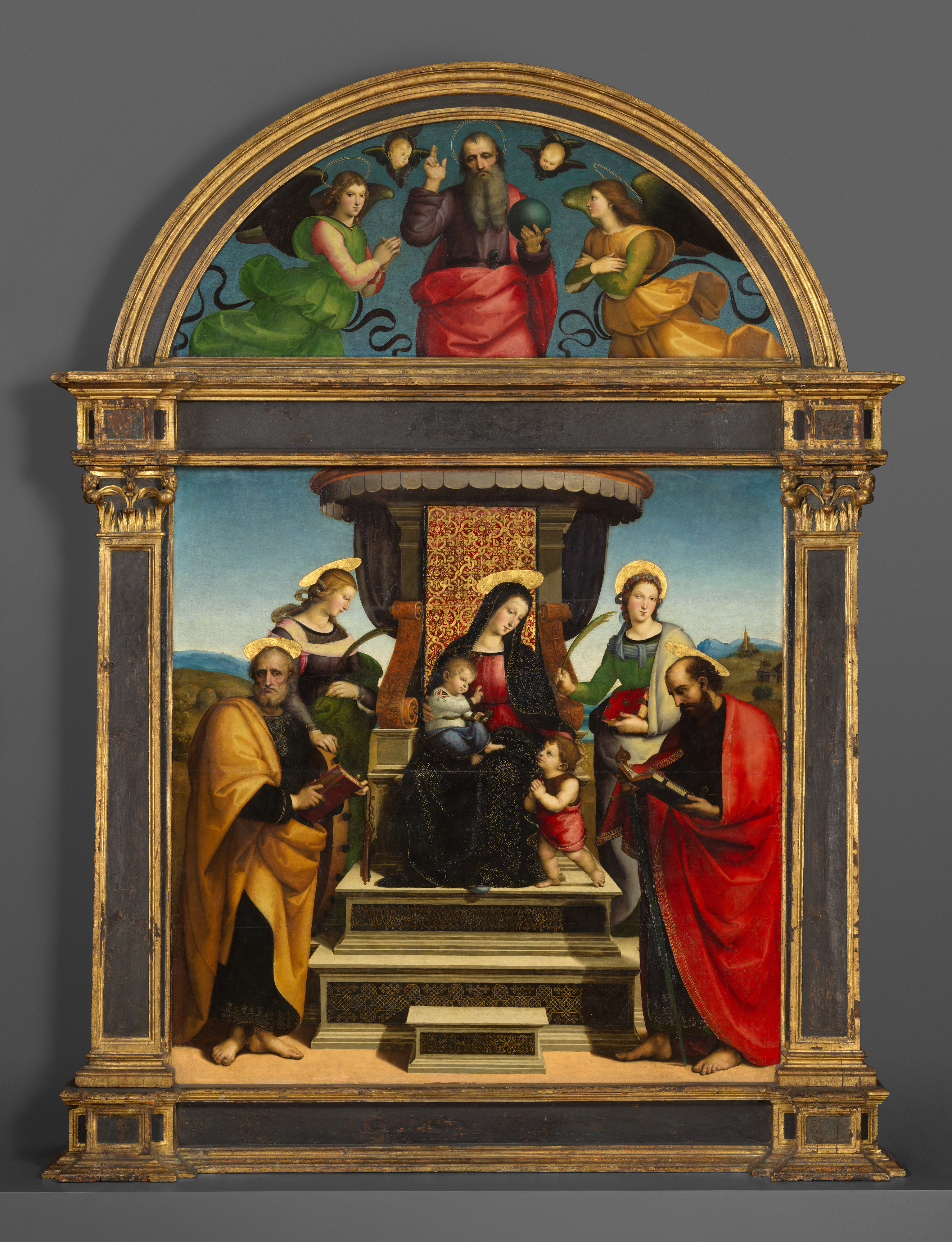
The study of 'Stained Glass Mastery in the Medieval Period' offers a profound window into the historical and cultural forces that shaped its creation. This article synthesizes decades of archival research and recent material analysis to present a comprehensive overview. As we delve into the specifics, it becomes evident that this topic is not merely an isolated phenomenon, but a crucial nexus of artistic innovation and societal transformation.
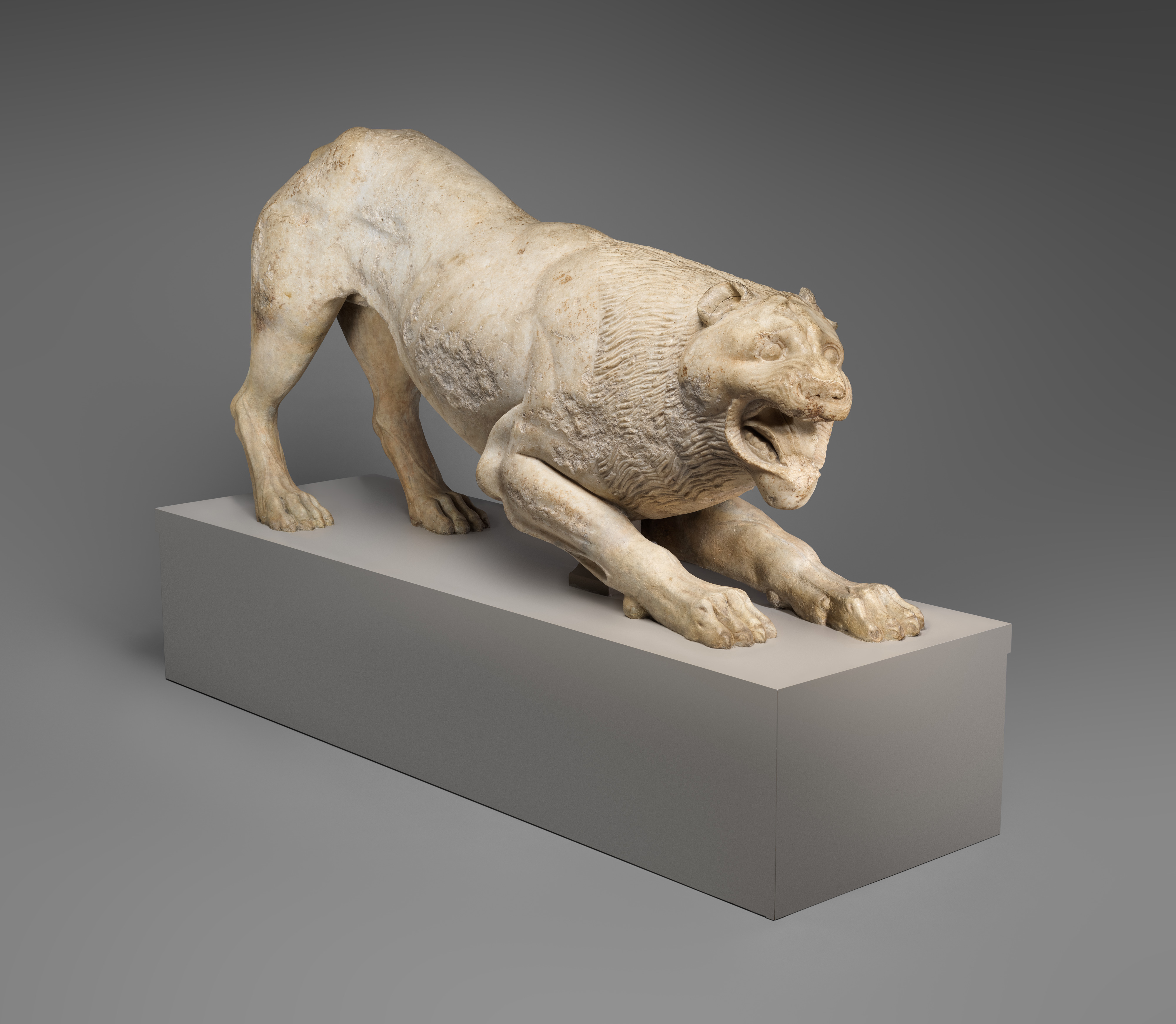
The influence of classical antiquity is unmistakable here. The artist clearly studied Roman sarcophagi, appropriating specific poses and drapery motifs. However, these classical elements were repurposed to serve a new Christian narrative, resulting in a fascinating synthesis of pagan form and religious content.
The architectural context of these works cannot be overstated. Originally intended to be viewed from below, in the dim, flickering light of oil lamps, the sculptures possess elongated proportions that appear distorted at eye level but perfect when seen from the intended vantage point. This demonstrates the artist's masterful grasp of optics.
Textile fragments from the era are exceptionally rare, making this acquisition particularly significant. The weave structure and dye composition provide critical evidence of cross-cultural exchange. Specifically, the presence of indigo alongside madder suggests trade networks that spanned continents, connecting isolated communities with major economic hubs.
The influx of foreign luxury goods fundamentally altered local aesthetic sensibilities. Imported porcelain, silks, and spices introduced new motifs and color palettes. Local artisans quickly adapted these exotic elements, creating hybrid styles that appealed to an increasingly cosmopolitan clientele hungry for novelty and prestige.
The transition from manuscript illumination to early woodcut printing democratized access to visual culture. While elites continued to commission lavishly decorated books, the emerging middle class could now afford single-sheet prints. This shift not only expanded the audience for art but also accelerated the spread of new stylistic conventions.
The ceremonial use of this vessel is corroborated by residue analysis, which identified traces of both fermented beverages and specific alkaloid compounds. This suggests that the object was not merely decorative but played a central role in rituals intended to alter consciousness and facilitate communion with the ancestral realm.
Related Imagery