
Restoring Ancient Greek Sculptures
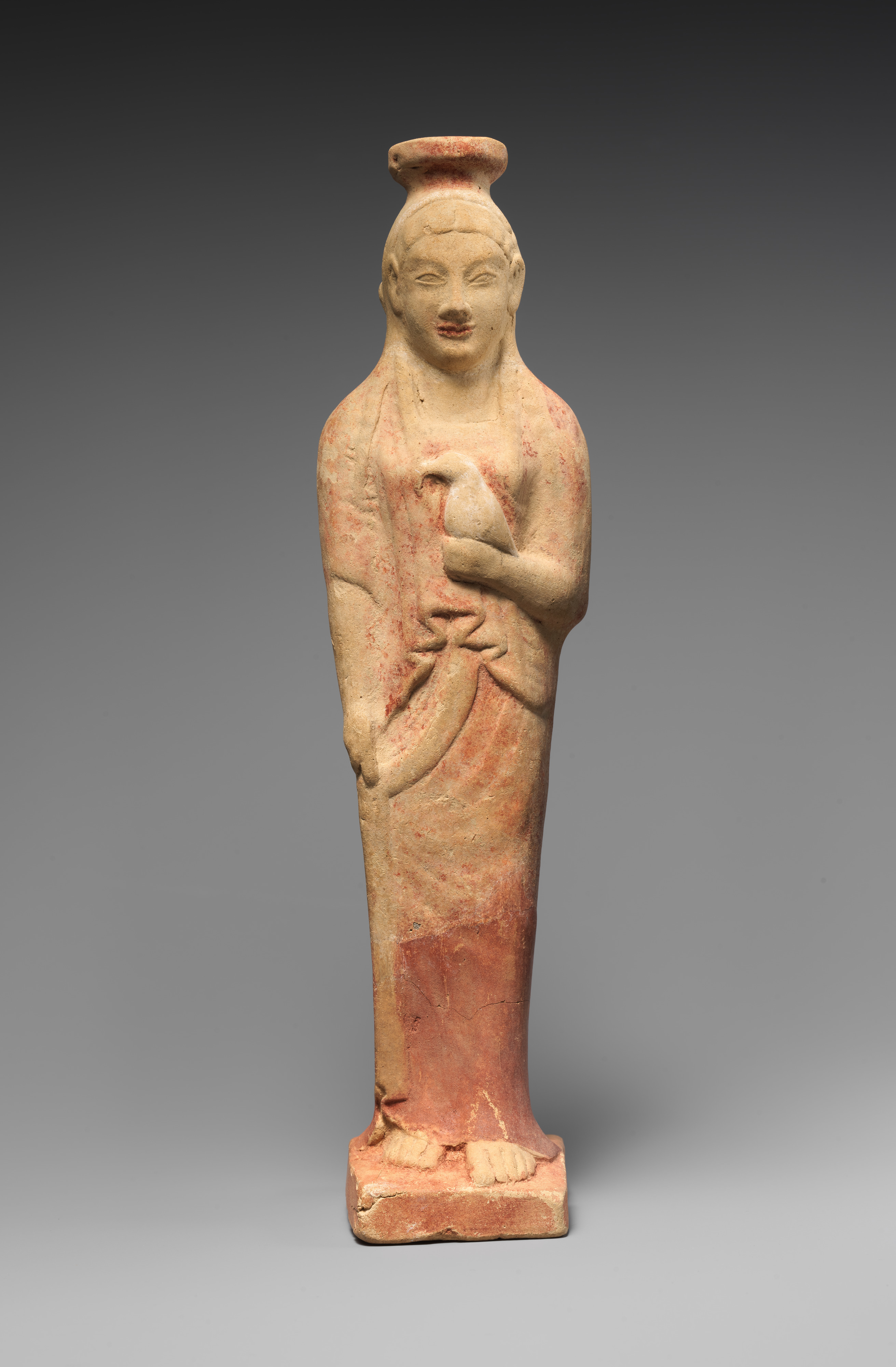
The study of 'Restoring Ancient Greek Sculptures' offers a profound window into the historical and cultural forces that shaped its creation. This article synthesizes decades of archival research and recent material analysis to present a comprehensive overview. As we delve into the specifics, it becomes evident that this topic is not merely an isolated phenomenon, but a crucial nexus of artistic innovation and societal transformation.
The architectural context of these works cannot be overstated. Originally intended to be viewed from below, in the dim, flickering light of oil lamps, the sculptures possess elongated proportions that appear distorted at eye level but perfect when seen from the intended vantage point. This demonstrates the artist's masterful grasp of optics.
The influx of foreign luxury goods fundamentally altered local aesthetic sensibilities. Imported porcelain, silks, and spices introduced new motifs and color palettes. Local artisans quickly adapted these exotic elements, creating hybrid styles that appealed to an increasingly cosmopolitan clientele hungry for novelty and prestige.
Textile fragments from the era are exceptionally rare, making this acquisition particularly significant. The weave structure and dye composition provide critical evidence of cross-cultural exchange. Specifically, the presence of indigo alongside madder suggests trade networks that spanned continents, connecting isolated communities with major economic hubs.
The significance of the frame is often overlooked, yet it is integral to the work's meaning. In this case, the elaborately carved and gilded frame acts as a physical and conceptual boundary, separating the sacred space of the image from the profane space of the viewer, while also signaling the immense wealth of the patron.
One of the most striking features of this period is the deliberate shift away from naturalism. Artists began to favor stylized, symbolic representations that conveyed theological truths rather than earthly realities. This abstraction served a dual purpose: it elevated the subject matter to a divine plane and established a visual language accessible only to the initiated.
The role of the workshop in producing these pieces complicates the modern notion of individual genius. Master artists directed large teams of specialized artisans, from pigment grinders to drapery painters. Thus, the final work is a collaborative triumph, reflecting the standardized quality and recognizable 'brand' of the workshop.
Recent excavations have challenged the established chronology of the site. Stratigraphic evidence now points to an occupation layer predating previously accepted dates by at least three centuries. Consequently, the stylistic evolution of the artifacts found within these lower strata forces a radical reassessment of the region's cultural development.
The landscape tradition in this culture was never simply about recording topography. Instead, the natural world was imbued with moral and philosophical significance. A gnarled pine tree represented resilience, while a tranquil river symbolized the inexorable passage of time. To read these paintings is to engage with a profound philosophical discourse.
Related Imagery

