Byzantine Mosaics: A Study in Light and Color
The study of 'Byzantine Mosaics: A Study in Light and Color' offers a profound window into the historical and cultural forces that shaped its creation. This article synthesizes decades of archival research and recent material analysis to present a comprehensive overview. As we delve into the specifics, it becomes evident that this topic is not merely an isolated phenomenon, but a crucial nexus of artistic innovation and societal transformation.
The influence of classical antiquity is unmistakable here. The artist clearly studied Roman sarcophagi, appropriating specific poses and drapery motifs. However, these classical elements were repurposed to serve a new Christian narrative, resulting in a fascinating synthesis of pagan form and religious content.
The significance of the frame is often overlooked, yet it is integral to the work's meaning. In this case, the elaborately carved and gilded frame acts as a physical and conceptual boundary, separating the sacred space of the image from the profane space of the viewer, while also signaling the immense wealth of the patron.
Recent excavations have challenged the established chronology of the site. Stratigraphic evidence now points to an occupation layer predating previously accepted dates by at least three centuries. Consequently, the stylistic evolution of the artifacts found within these lower strata forces a radical reassessment of the region's cultural development.
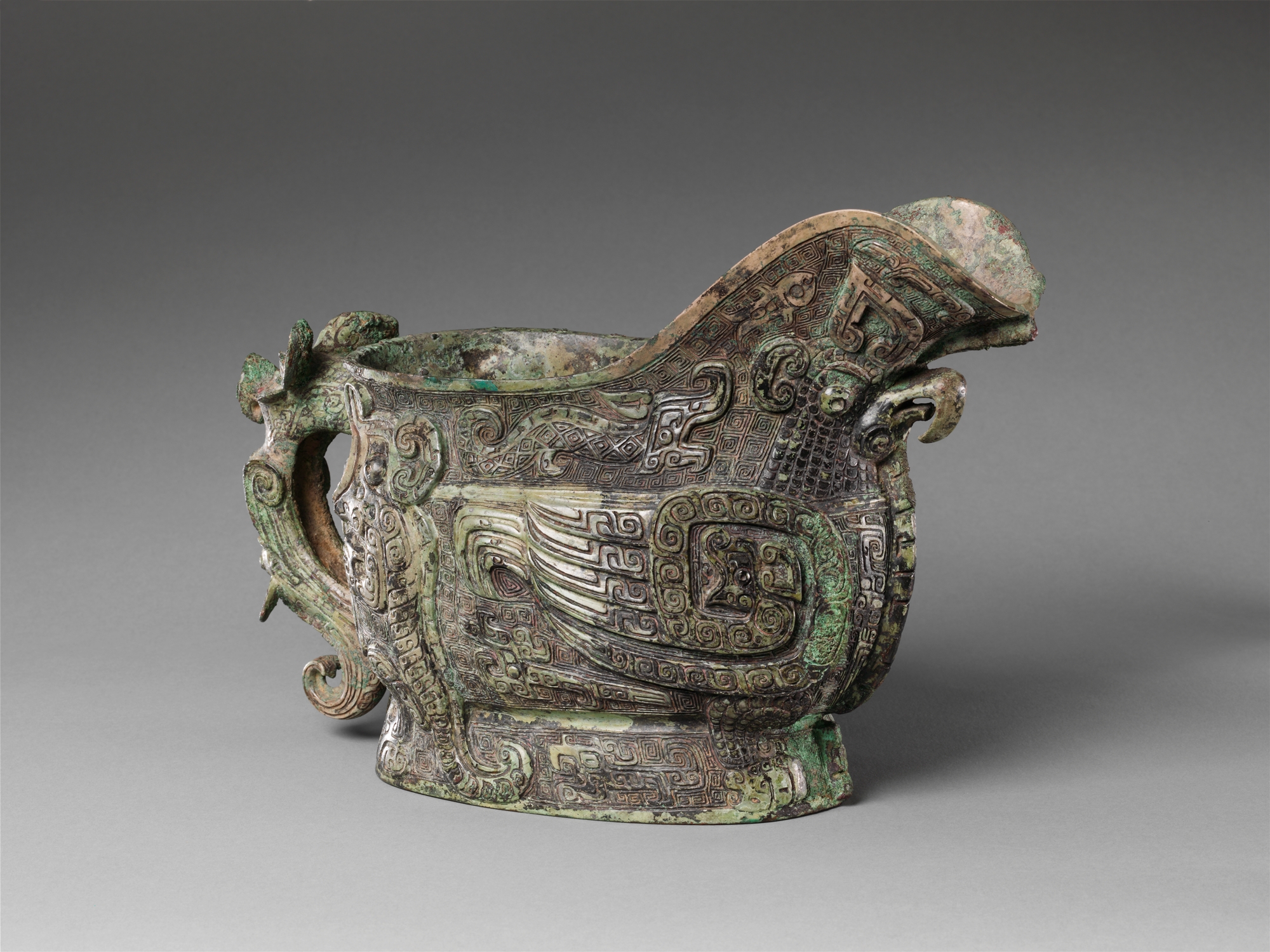
The intricate detailing found in the artifact reveals a sophisticated understanding of metallurgy. Scholars have long debated whether these techniques were indigenous or imported through burgeoning trade routes. Recent metallurgical analyses suggest a localized development, deeply intertwined with the region's spiritual practices and social hierarchy.
One of the most striking features of this period is the deliberate shift away from naturalism. Artists began to favor stylized, symbolic representations that conveyed theological truths rather than earthly realities. This abstraction served a dual purpose: it elevated the subject matter to a divine plane and established a visual language accessible only to the initiated.
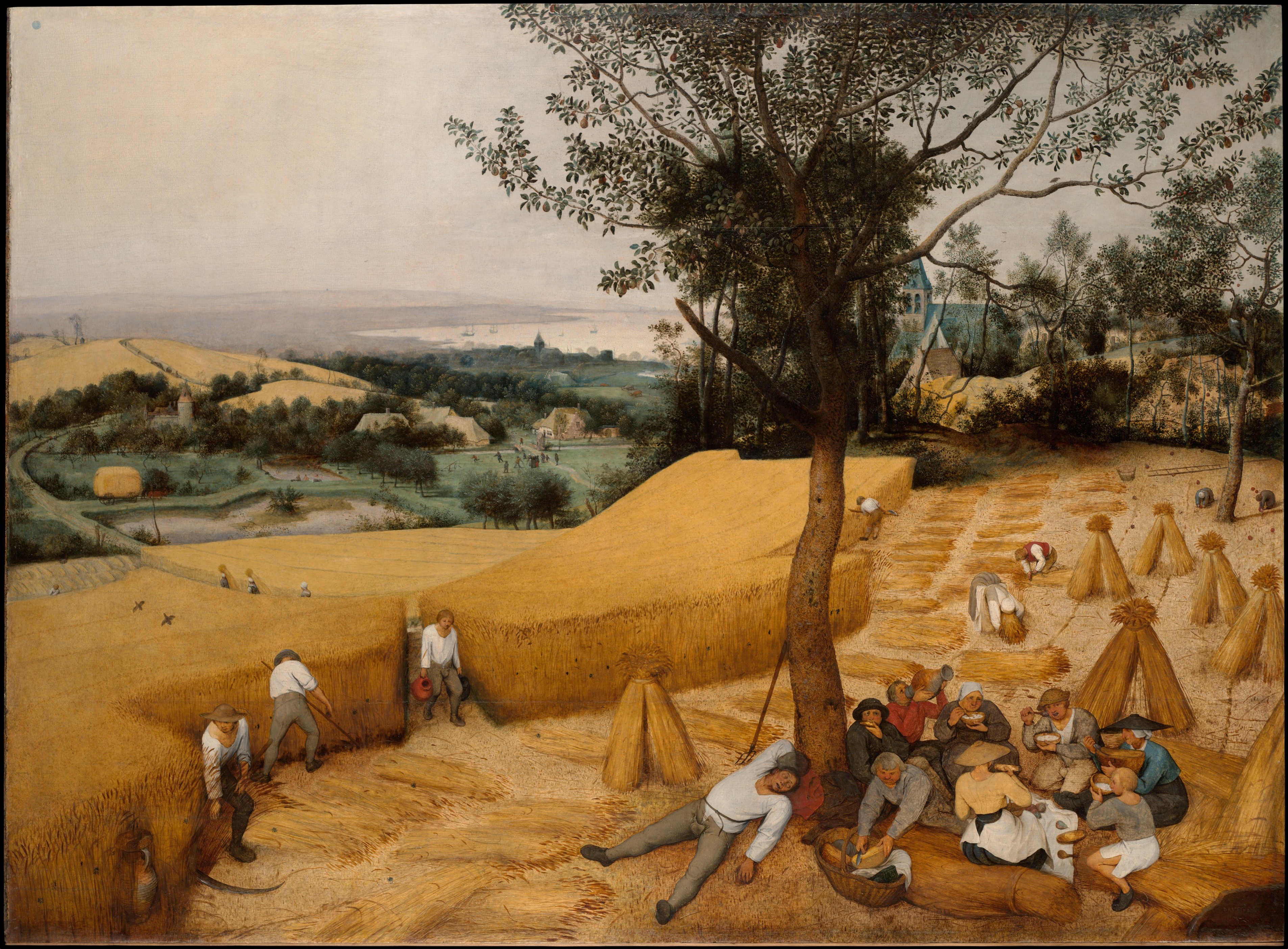
The depiction of everyday life, or genre painting, emerged as a distinct category during this era. Elevating the mundane to the level of high art, painters captured the subtle dramas of domestic interiors and bustling marketplaces. These works offer invaluable insights into the social dynamics, fashion, and material culture of the period.
Related Imagery